


Looking your best for an important day, whether it’s a date night, a special event, or even Valentine’s Day, can mean putting your best foot forward. One of the easiest ways to boost your confidence and make a lasting impression is to flash a bright white smile. Teeth whitening treatments have gained immense popularity, but what if you have sensitive teeth? Can you still achieve a dazzling smile before your big moment? If you’ve been wondering whether teeth whitening is an option for people with sensitive teeth, this blog post will provide all the answers you need.
Why Do Teeth Become Sensitive?
Before we dive into the benefits and options of whitening, it’s essential to understand why some people experience tooth sensitivity. Sensitivity typically occurs when the enamel, the outer layer of your teeth, wears down or when the gums recede. This can expose the dentin, the sensitive part of the tooth beneath the enamel. Things like hot or cold foods, acidic drinks, and even brushing too hard can trigger this discomfort.
If you’ve already noticed your teeth becoming sensitive after consuming cold drinks or brushing, you’re not alone. Many people with sensitive teeth wonder whether whitening treatments will worsen their symptoms. Let’s explore the factors at play and what you can do to minimize discomfort.
How Does Teeth Whitening Work?
Whitening treatments, whether performed at the dentist’s office or at home, typically use bleaching agents such as hydrogen peroxide or carbamide peroxide. These agents break down stains on the tooth’s surface, helping your smile appear brighter and more radiant. While this process can be very effective, the chemicals may cause irritation, especially in people with sensitive teeth.
Teeth Whitening for Sensitive Teeth: Is It Safe?
The good news is that whitening treatments can still be effective and safe for those with sensitive teeth, provided the right precautions are taken. Here’s what you need to know about teeth whitening in Canton and how to approach it if you have sensitivity:
- Consult Your Dentist
Before opting for any whitening treatment, it’s always best to consult your dentist. A dental professional can assess the severity of your tooth sensitivity and recommend the most suitable whitening option for your unique needs. In some cases, a customized treatment plan can be created to ensure the best results with minimal discomfort. - Choose Professional Whitening Treatments
While over-the-counter whitening products may seem like a quick fix, they can sometimes aggravate sensitive teeth. Professional teeth whitening treatments, on the other hand, are designed to minimize irritation. Dentists often use lower concentrations of whitening agents combined with desensitizing treatments to protect your teeth. - Take Advantage of Pre-Treatment Care
Your dentist may recommend desensitizing treatments or fluoride applications before whitening. These treatments can help seal the enamel and reduce the likelihood of sensitivity. Additionally, many professional whitening systems now incorporate special gels that help reduce sensitivity during the procedure.
Tips for Whitening Sensitive Teeth Before Your Special Day
- Start Early
If you’re planning to whiten your teeth for an upcoming date or event, start the process a few weeks in advance. This allows you to monitor sensitivity and adjust the whitening schedule if necessary. - Avoid Excessive Whitening
Overuse of whitening products can increase sensitivity. Stick to the recommended number of treatments and avoid overdoing it, as this can harm your enamel and make your teeth more sensitive. - Use a Sensitivity-Friendly Toothpaste
In the weeks leading up to your whitening treatment, switch to a toothpaste designed for sensitive teeth. These toothpastes contain special compounds that help calm nerve endings and protect your enamel.
What to Expect During Your Whitening Treatment
When you choose professional teeth whitening in Canton, the process is typically straightforward. Here’s what you can expect during your visit:
- Consultation and Assessment:
Your dentist will first evaluate your teeth and gums to determine whether you’re a good candidate for whitening. If sensitivity is a concern, they’ll adjust the treatment accordingly. - Preparation:
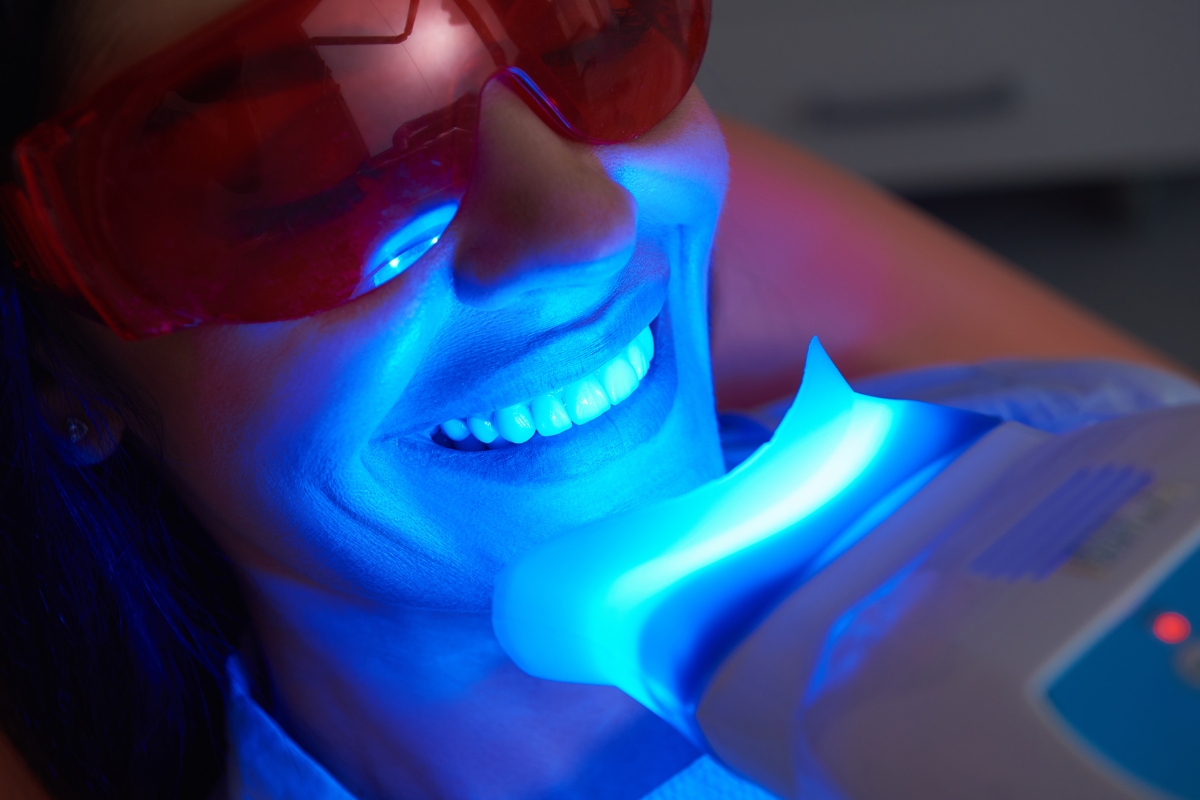
A barrier gel may be applied to your gums to protect them from irritation. Some systems also use a light or heat source to speed up the whitening process. - Whitening Application:
The whitening gel will be applied to your teeth, and the dentist will monitor the process to ensure minimal discomfort. In some cases, a desensitizing gel will be applied during or after the treatment. - Aftercare:
Once the treatment is complete, you’ll receive aftercare instructions, which may include avoiding certain foods or beverages that could stain your teeth for a short period.
Whether you’re preparing for a special date, a significant life event, or even just wanting to brighten your smile, it’s entirely possible to achieve a stunning smile, even with sensitive teeth. With the right care, professional whitening treatments in Canton can give you the results you want without causing further discomfort. Be sure to consult with our dentist at Canton-Plymouth Family Dentistry to ensure you’re using the safest, most effective method for your smile.
People Also Ask
1. Can I whiten my teeth if I have receding gums?
Yes, but it’s essential to consult with a dentist first. Gum recession exposes sensitive areas of the teeth, and a dentist can offer a tailored treatment plan to ensure comfort.
2. How long does a professional whitening treatment last?
Results typically last between 6 months and 2 years, depending on your diet, lifestyle, and oral hygiene.
3. Can I use over-the-counter whitening products for sensitive teeth?
There are options designed for sensitive teeth, but they often don’t work as quickly as professional treatments. It’s always better to consult your dentist for a personalized recommendation.
4. How do I take care of my teeth after whitening?
Avoid highly pigmented foods and drinks, such as coffee and red wine, for at least 48 hours after whitening. Regular brushing with a sensitivity-friendly toothpaste will also help maintain results.