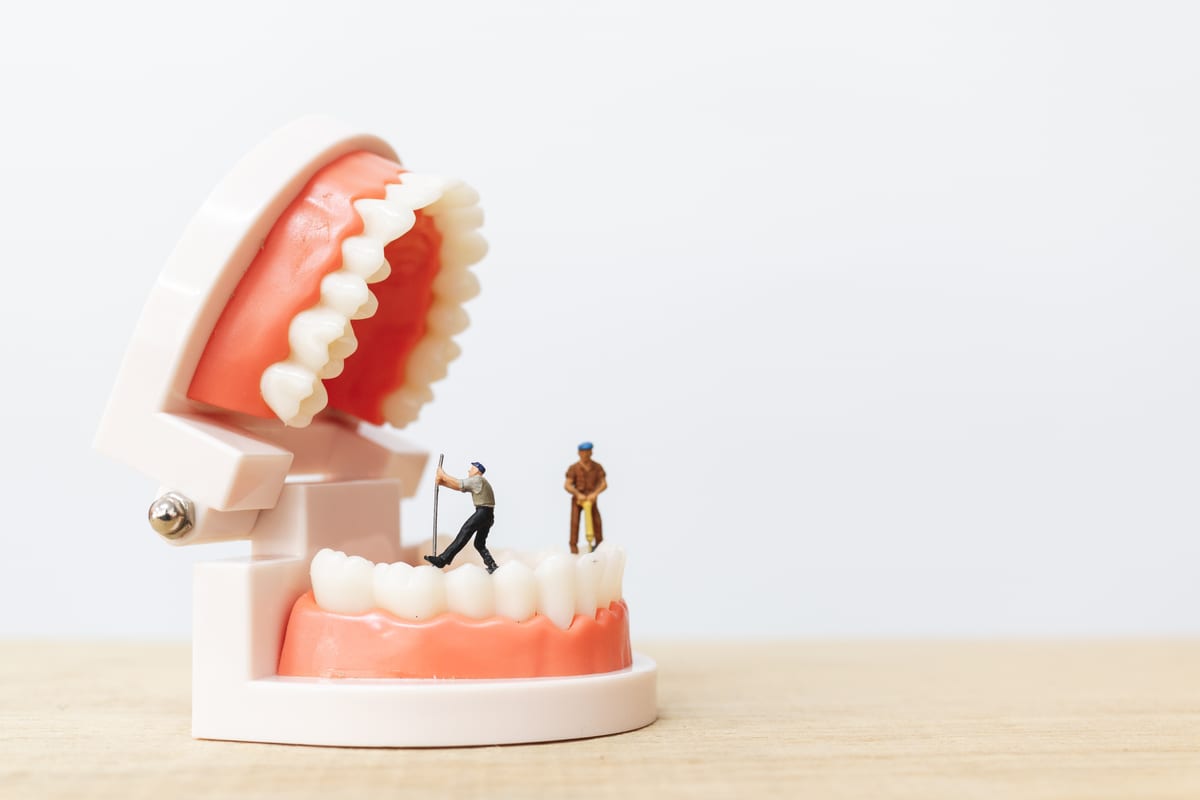


Dental Implants: A Step-by-Step Guide to Your Appointment
Thinking about dental implants but unsure what actually happens at each visit? You are not alone. Many patients feel nervous simply because they do not know what to expect. This guide walks you through every stage of the process. By the end, the unknown becomes familiar — and far less intimidating.
At Canton-Plymouth Family Dentistry, our dental team believes that education is the best preparation. Whether you are exploring implants after a tooth loss or planning ahead this spring season, understanding each step helps you feel confident and in control.
Stage 1: Arriving and Your Initial Dental Implants Consultation
When you arrive, you will check in at the front desk and complete any remaining paperwork. The office feels calm and welcoming — soft lighting, quiet background music, and a comfortable waiting area. A team member will greet you warmly and walk you back to the exam room.
Your consultation begins with a comprehensive oral exam. Our dental team will examine your gums, jawbone, and existing teeth. We use digital X-rays and, in many cases, a 3D cone beam CT scan. These images let us see the exact density and shape of your jawbone.
This stage is purely diagnostic. Nothing invasive happens today. You will have plenty of time to ask questions and share your goals. Our team listens carefully before recommending any treatment path.
Here is what we assess during your consultation:
- Jawbone density and volume available for implant placement
- Health of surrounding gum tissue and adjacent teeth
- Your bite alignment and overall oral health baseline
- Any need for preparatory procedures like bone grafting
Stage 2: Treatment Planning and Preparing for Your Procedure
After your diagnostic images are reviewed, our dental team creates a personalized treatment plan. This plan outlines every step, every appointment, and every expected timeline. We explain it to you clearly in plain language — no confusing jargon.
If bone grafting is needed, that procedure happens first. Grafting builds up the jawbone so it can support the implant post securely. This stage may add a few months to your overall timeline. Healing is essential before moving forward.
Once everything is ready, we schedule your implant placement appointment. You will receive pre-procedure instructions during this planning stage. These may include dietary guidelines for the day of surgery and instructions about any prescribed rinses. Following these instructions helps your procedure go smoothly.
Stage 3: The Dental Implants Placement Procedure
On placement day, you will notice a slightly more clinical atmosphere in the treatment room. You may hear the gentle hum of dental instruments and see a sterile tray of small, precise tools. This is completely normal and expected.
Our dental team administers local anesthesia first. You will feel a small pinch as the numbing agent is applied — that is the most uncomfortable moment for most patients. Within minutes, the entire area becomes numb. Many patients are surprised by how little they feel after that initial sting.
The implant post — a small titanium screw — is then carefully placed into the jawbone. You may feel gentle pressure or vibration during this step, but you should not feel pain. The process typically takes between 30 and 90 minutes depending on how many implants are placed.
After placement, the site is closed with sutures. A protective cover or healing cap may be placed over the implant. You will receive a detailed aftercare sheet before you leave. Our team will also answer any last-minute questions before you head home.
Stage 4: The Osseointegration Healing Phase
Osseointegration is the process where your jawbone fuses with the titanium implant post. This is what makes dental implants so stable and long-lasting. The phase typically takes three to six months. Patience here directly determines your long-term success.
During this period, you should avoid hard or crunchy foods near the implant site. Stick to softer foods, especially in the first two weeks. Here in the Canton-Plymouth area, late spring means farmers markets are starting up with fresh soft fruits — think berries, bananas, and ripe peaches — which are great options during recovery.
You may experience mild swelling and soreness for the first few days. Over-the-counter pain relievers typically manage this well. Cold packs applied to the outside of your cheek can reduce swelling in the first 24 hours. Most patients return to normal daily activities the day after their procedure.
Our dental team schedules follow-up visits throughout this healing phase. These check-ins confirm the implant is integrating properly. We are always available if you notice unexpected discomfort or have concerns between visits. You are never left guessing during recovery.
Stage 5: Placing the Crown and Final Restoration
Once osseointegration is complete, the final restoration stage begins. Our team takes precise impressions or digital scans of your mouth. These measurements guide the creation of your custom dental crown. The crown is designed to match your natural teeth in color, shape, and size.
When the crown is ready, a small connector piece called an abutment is attached to the implant post. The custom crown is then secured on top. This final appointment is typically quick and straightforward. Most patients feel immediate satisfaction when they see and feel the finished result.
The completed implant looks, feels, and functions like a natural tooth. You can smile, chew, and speak with full confidence. No one will be able to tell the difference between your implant and your natural teeth.
Stage 6: Long-Term Aftercare for Your Dental Implants
Caring for your implant is refreshingly simple. Brush twice daily and floss around the implant just as you would a natural tooth. Routine dental visits every six months are essential to monitor the implant and surrounding tissue. Consistent care is what keeps implants thriving for decades.
Avoid habits that can damage implants over time. These include chewing on ice, grinding teeth without a night guard, and using teeth as tools. If you grind at night, ask our team about a custom night guard. Protecting your investment is straightforward with the right habits.
Here are the key aftercare practices to follow long-term:
- Brush twice daily with a soft-bristle toothbrush
- Floss daily using implant-friendly floss or a water flosser
- Attend all scheduled follow-up and maintenance appointments
- Avoid smoking, which significantly reduces implant success rates
- Wear a night guard if you have a teeth-grinding habit
Our team at Canton-Plymouth Family Dentistry is your long-term partner in implant success. We are here to support you through every stage — from that first consultation to your ten-year check-in. You can also explore our full range of dental services to see how implants fit into your broader oral health plan. And if you have questions about your overall care experience, our team page shares more about who we are and how we work.
Conclusion: You Are More Ready Than You Think
The dental implant process is thorough, but it is also incredibly well-mapped. Every stage has a clear purpose and a predictable outcome. Our dental team guides you through each step so you always know what comes next. Knowledge truly does transform anxiety into confidence.
Whether you are preparing for a big summer event, celebrating a milestone with family this spring, or simply ready to restore your smile, now is a great time to take the first step. Learn More about how we can help you.
Frequently Asked Questions
How long does the entire dental implants process take?
The full process typically ranges from three to twelve months. The timeline depends on whether preparatory procedures like bone grafting are needed and how quickly your jawbone heals during osseointegration. Our dental team will give you a personalized estimate at your consultation.
Does getting a dental implant hurt?
Most patients report that the procedure is far more comfortable than they expected. Local anesthesia keeps you numb throughout the placement. You may feel pressure or vibration, but rarely sharp pain. Post-procedure soreness is usually mild and manageable with over-the-counter pain relievers.
Am I a good candidate for dental implants?
Most adults with good general health and sufficient jawbone density are strong candidates. Factors like uncontrolled diabetes or active gum disease may require treatment before implant placement. A thorough consultation with our dental team will determine the best path forward for your specific situation.
Can I eat normally after getting dental implants?
You will need to stick to soft foods for the first one to two weeks after placement surgery. As healing progresses, you can gradually reintroduce normal foods. Once the final crown is in place and fully healed, you can eat almost anything you would with natural teeth.
How long do dental implants last?
With proper care, dental implants can last 20 years or more — often a lifetime. The titanium post is designed to permanently fuse with your jawbone. The crown on top may need replacement after 10 to 15 years depending on wear, but the implant foundation typically remains intact indefinitely.