

If you’ve ever searched for ways to improve your smile, you’ve probably come across veneers. But a lot of patients at Canton-Plymouth Family Dentistry arrive with big questions. Specifically, they want to know what dental veneers actually fix — and what they don’t — right here in Canton Township. Understanding this honestly can save you time, money, and disappointment. Dr. Hetal S Patel helps patients make informed choices every day, and this guide is built around that same goal.
What Are Dental Veneers, Exactly?
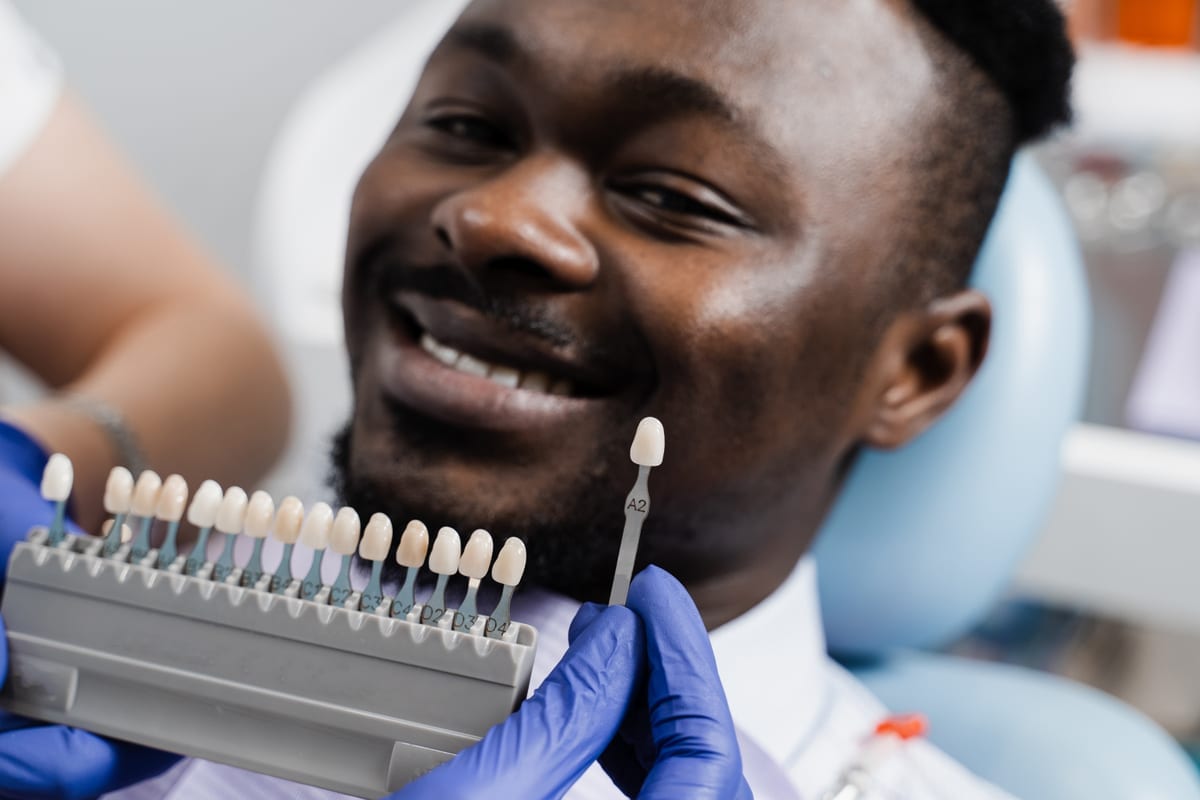
Veneers are thin, custom-made shells bonded to the front surface of your teeth. They’re usually made from porcelain or composite resin. Once placed, they blend seamlessly with your surrounding teeth.
Porcelain veneers are the most popular option. They reflect light similarly to natural enamel. They’re also stain-resistant and long-lasting with proper care.
Composite veneers cost less but may not last as long. Both types are designed to improve the look of teeth that are visible when you smile. The right material depends on your goals, budget, and dental health.
The process typically takes two to three visits. Your dentist removes a small amount of enamel from the tooth surface. Then impressions are taken, and the veneer is custom-crafted to fit perfectly.
What Dental Veneers in Canton Township Can Actually Fix
Veneers solve a wide range of cosmetic concerns. They’re especially effective when multiple issues appear on the same tooth. Here’s a breakdown of what they genuinely address:
- Discoloration: Stains from coffee, tea, tobacco, or certain medications that don’t respond to whitening
- Chipped or cracked teeth: Minor chips and surface cracks that affect appearance
- Uneven or worn teeth: Teeth that look shorter or have been worn down over time
- Small gaps between teeth: Mild spacing issues without major bite problems
- Slightly misaligned teeth: Minor crookedness that’s more cosmetic than structural
- Irregularly shaped teeth: Teeth that appear too small, pointy, or oddly shaped
Veneers work best when the goal is visual improvement. They cover the front surface of a tooth without changing its underlying structure significantly. That’s their strength — and also their limitation.
Many Canton Township patients choose veneers after other cosmetic treatments. For example, someone might whiten their teeth first and then add veneers for shape correction. The combination approach often delivers the best overall results.
What Dental Veneers Cannot Fix
This is where honest education matters most. Veneers are powerful cosmetic tools, but they’re not a solution for every dental problem. Knowing their limits helps you choose the right treatment.
Here are situations where veneers are not the right answer:
- Severe decay or infection: Underlying tooth disease must be treated first
- Significant structural damage: A severely broken tooth likely needs a crown instead
- Major misalignment or bite issues: Orthodontic treatment addresses these more effectively
- Gum disease: Periodontal health must be restored before any cosmetic work
- Teeth grinding (bruxism): Veneers can crack or chip if grinding isn’t managed
- Missing teeth: Veneers only work on existing teeth — gaps require other solutions
Applying veneers over unresolved dental issues can lead to bigger problems. Dr. Patel always performs a full evaluation before recommending any cosmetic treatment. That step protects your investment and your oral health.
If your primary concern is a missing tooth, options like dental implants or Dental Bridges Canton Township may be more appropriate. Similarly, if your concern is minor surface chips rather than full smile redesign, Dental Bonding Canton Township might be a simpler and faster solution.
How Veneers Compare to Other Cosmetic Options
Patients often wonder whether veneers are the right choice compared to other treatments. The answer depends on what you’re trying to fix and how permanently you want to fix it.
Dental bonding uses tooth-colored resin applied directly to the tooth. It’s quicker and less expensive than veneers. However, it may not last as long and can stain more easily over time.
Crowns cover the entire tooth rather than just the front surface. They’re ideal when a tooth has significant structural damage. Veneers, by contrast, preserve more of your natural tooth structure.
Teeth whitening is effective for surface stains but can’t fix shape or alignment issues. Orthodontic treatment corrects misalignment but doesn’t change the shape or color of teeth. Veneers often work best as a finishing step after other treatments are complete.
Are You a Good Candidate for Veneers in Canton Township?
The best veneer candidates share a few key traits. Good candidates have healthy gums and enough enamel for bonding. They also have realistic expectations about what veneers can achieve.
If you grind your teeth at night, Dr. Patel may recommend a night guard alongside veneers. This protects your investment from unnecessary wear. Addressing grinding first is an important step many patients overlook.
Teens and younger patients may need to wait until their teeth fully develop. Adults of any age can typically consider veneers if their oral health is stable. A thorough consultation at Canton-Plymouth Family Dentistry will give you a clear, personalized answer.
Keep in mind that veneers are considered a permanent treatment. A thin layer of enamel is removed during preparation, which means the tooth will always need a veneer or crown going forward. That’s why making an informed decision upfront matters so much.
Your Next Step at Canton-Plymouth Family Dentistry
Understanding what dental veneers actually fix — and what they don’t — is the foundation of a smart smile decision. Canton Township patients deserve clear, honest guidance before committing to any treatment. Dr. Hetal S Patel and the team at Canton-Plymouth Family Dentistry are here to walk you through every option. Book Now to schedule your appointment with our team.
Frequently Asked Questions
How long do dental veneers typically last?
Porcelain veneers generally last between 10 and 15 years with proper care. Composite veneers may need replacement sooner, often around 5 to 7 years. Good oral hygiene and regular dental visits extend their lifespan significantly.
Do veneers require special maintenance?
Veneers don’t require special products, but good habits matter. Brush twice daily, floss regularly, and avoid biting hard objects. If you grind your teeth, wearing a night guard helps protect your veneers from damage.
Are dental veneers painful to get?
Most patients experience little to no discomfort during the veneer process. Local anesthesia is used during enamel preparation to keep you comfortable. Some mild sensitivity after placement is normal and typically fades within a few days.
Can veneers fix crooked teeth without braces?
Veneers can improve the appearance of mildly misaligned teeth. However, they don’t move teeth or correct bite problems. Significant misalignment requires orthodontic treatment for a safe and lasting result.
What’s the difference between veneers and dental bonding?
Veneers are custom-crafted shells bonded to the tooth surface, offering a durable and stain-resistant finish. Dental bonding uses resin applied directly to the tooth in a single visit. Bonding is faster and less costly, while veneers typically offer longer-lasting cosmetic results.