

Most people don’t realize how serious a missing tooth really is. It’s easy to push the decision aside, especially when there’s no obvious pain. But your jaw’s silent warning signs you’re waiting too long for implants in Canton Township may already be showing up — and many patients don’t recognize them until real damage is done. At Canton-Plymouth Family Dentistry, Dr. Hetal S. Patel helps patients understand what’s happening beneath the surface before it’s too late.
Why Waiting on Dental Implants Creates Bigger Problems
A missing tooth doesn’t just leave a gap in your smile. It triggers a chain reaction inside your jawbone. Within the first year of tooth loss, you can lose up to 25% of the bone in that area. That bone loss happens silently — no alarm, no sharp pain, just slow structural decline.
Your jawbone stays strong because tooth roots stimulate it every time you chew. Without that stimulation, the bone begins to shrink. Dental implants are the only restorative option that replaces this root function and stops that process. Other options, like Dental Bridges, can restore function, but they don’t address bone loss the same way implants do.
The longer you wait, the more bone you lose. And less bone means implant placement becomes more complex. Some patients require bone grafting before they can even qualify for implants. Acting sooner makes treatment simpler, faster, and more successful.
Warning Signs Your Jaw Is Already Telling You Something Is Wrong
Your body sends signals when something is off. Many patients in Canton Township ignore these signs, assuming they’ll go away on their own. Recognizing them early gives you a major advantage in protecting your long-term oral health.
Watch closely for these warning signs:
- Sunken or sagging facial appearance — The lower face may look collapsed or aged due to bone loss beneath the gumline.
- Shifting or tilting teeth — Neighboring teeth drift into the empty space over time, throwing off your bite.
- Difficulty chewing certain foods — Avoiding hard or chewy foods is a sign your bite is already compromised.
- Jaw pain or clicking — Uneven bite pressure from missing teeth stresses your jaw joint (TMJ).
- Slurred speech or changes in pronunciation — Missing teeth affect tongue placement and how words form.
- Gum recession near the gap — The gum tissue surrounding an empty socket can begin pulling back over time.
If any of these sound familiar, it’s time to stop waiting. These aren’t minor inconveniences. They’re signs your jawbone and surrounding teeth are already under stress.
How Shifting Teeth and Bone Loss Compound the Damage
One missing tooth affects far more than one spot in your mouth. As neighboring teeth shift, your bite changes. A misaligned bite puts uneven pressure on your remaining teeth. That pressure leads to accelerated wear, cracking, and even additional tooth loss.
Bone loss makes things worse. As the jawbone shrinks, it loses height and density. Your gums may follow, receding away from the remaining teeth. This creates pockets where bacteria thrive and increases your risk of gum disease significantly.
Patients sometimes come to us needing Dental Bonding to repair chipped or cracked teeth caused by the uneven pressure of a shifted bite. These are fixable problems — but they’re also preventable ones. Addressing the missing tooth with an implant early on stops this cascade before it starts.
The structural impact of a single missing tooth is underestimated by most people. Bone loss doesn’t stay contained to one spot. It can spread to adjacent teeth and alter the entire architecture of your mouth over time.
What Makes Dental Implants the Right Answer — and Why Timing Matters
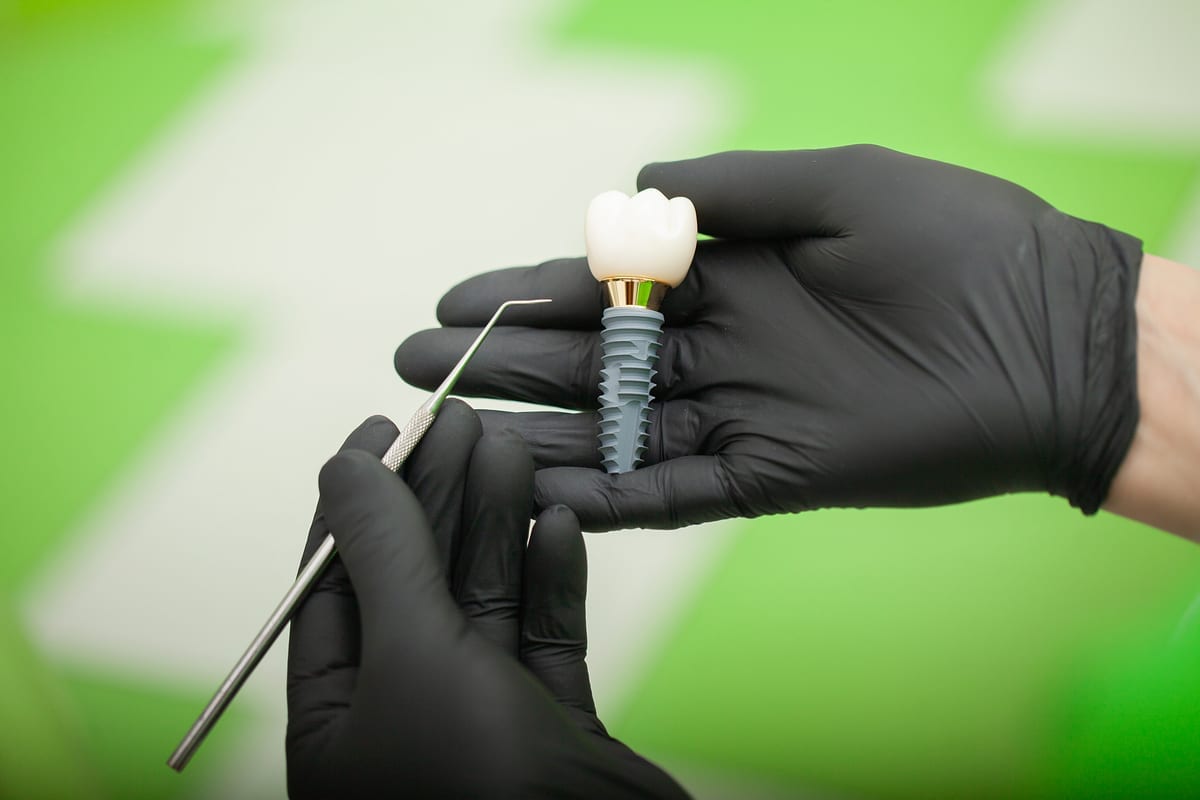
Dental implants are the gold standard for replacing missing teeth. They look, feel, and function like your natural teeth. Unlike other options, they integrate directly with your jawbone through a process called osseointegration. This keeps the bone active and prevents further deterioration.
Here’s what makes implants stand out as a long-term solution:
- They preserve jawbone density — The titanium post stimulates bone just like a natural tooth root.
- They prevent shifting of adjacent teeth — Filling the gap keeps neighboring teeth stable and properly aligned.
- They restore full chewing function — No more avoiding foods you love because of a compromised bite.
- They look completely natural — Custom-crafted crowns match the color and shape of your existing teeth.
- They last for decades — With proper care, implants can last a lifetime for most healthy patients.
Timing matters because your bone quality determines your candidacy. The longer you wait, the more bone you lose. And the more bone you lose, the more prep work may be needed before an implant can be placed. Dr. Hetal S. Patel evaluates each patient individually to determine the best path forward based on current bone levels and overall oral health.
If you’ve been delaying this decision, you’re not alone. Many Canton Township patients come to us having waited one, two, or even five years after a tooth loss. In most cases, we can still help — but earlier is always better.
When to See Dr. Patel About Dental Implants in Canton Township
If you’ve lost a tooth — for any reason — the conversation about implants should begin within weeks, not years. Even if you currently wear dentures or a bridge, implants may offer a better long-term outcome for your jawbone health. Dr. Patel takes time to review your full mouth health before recommending any treatment path.
You should schedule a consultation immediately if you notice any of the following:
- A tooth has been missing for more than six months
- Your remaining teeth feel loose or have shifted noticeably
- You struggle to eat certain foods you used to enjoy
- You feel self-conscious about how your smile looks
- You’ve noticed changes in your facial shape or profile
These aren’t cosmetic complaints. They’re signs of active structural changes happening in your mouth. The sooner you address them, the better your outcomes will be — and the simpler your treatment plan becomes.
Canton-Plymouth Family Dentistry is here to help you make an informed, confident decision about your oral health. Dr. Patel and the team approach every case with empathy, education, and a commitment to finding the right solution for your unique situation. Book Now to schedule your appointment with our team.
Frequently Asked Questions
How soon after losing a tooth should I consider a dental implant?
Ideally, you should discuss implants within a few weeks of losing a tooth. Early placement helps preserve the bone in that area. The longer you wait, the more bone loss occurs, which can complicate treatment. Dr. Patel will evaluate your specific situation and recommend the right timeline for you.
Can I still get a dental implant if I’ve had a missing tooth for years?
Yes, in many cases you can still receive an implant even after years of tooth loss. However, significant bone loss may require a bone graft procedure first. Dr. Hetal S. Patel will assess your current bone density through imaging and create a treatment plan that accounts for your current oral health status.
What does jawbone loss from a missing tooth actually feel like?
Bone loss itself is usually painless, which is why it’s called a silent problem. You may notice indirect signs like a sunken appearance around the cheek or jaw area, shifting teeth, or a bite that feels different. Many patients only discover bone loss during a dental exam with imaging.
Are dental implants painful to get?
Most patients find the procedure much more comfortable than they expected. Dr. Patel uses local anesthesia during the procedure, and any post-procedure discomfort is typically manageable with over-the-counter pain relief. Many patients return to normal activities within a day or two of the procedure.
How are dental implants different from dental bridges or dentures for bone health?
Dental implants are the only tooth replacement option that mimics a natural tooth root. Because the titanium post integrates with the jawbone, it stimulates bone tissue and prevents further loss. Bridges and dentures restore appearance and some function but do not stop the underlying bone from shrinking over time.